December 16, 2025
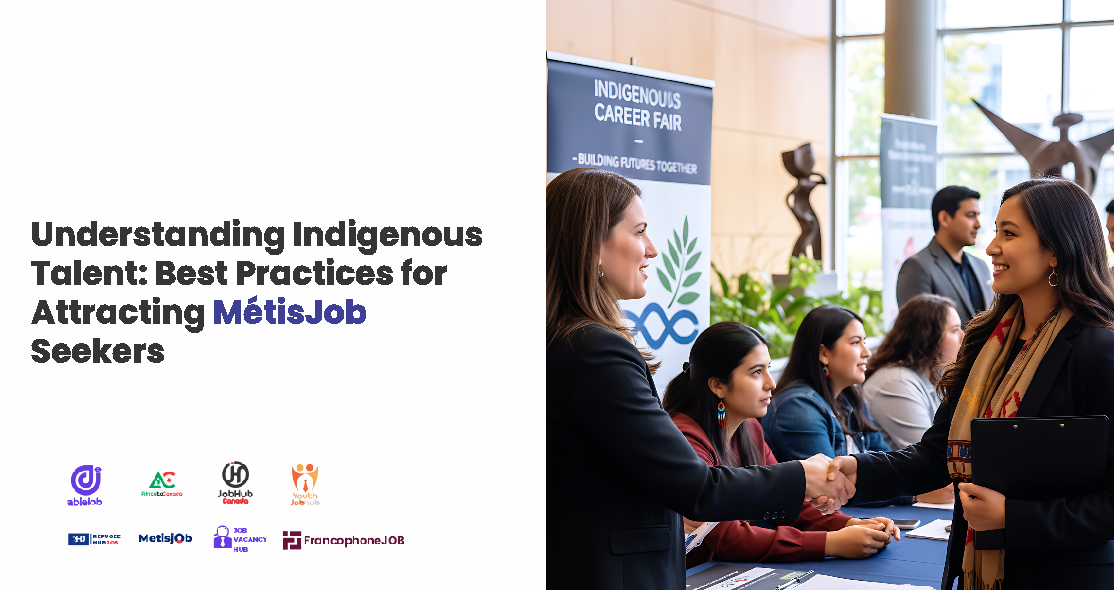
For an employer committed to reconciliation and reflecting a truly representative Canadian workforce, an integral step would be an understanding of, or more importantly being actively engaged in, Métis Nation relations. Métis people, who comprise one of the three distinct Indigenous groups in Canada, have a rich history, vibrant culture, and highly skilled population.
Métis job applicants will need to be targeted in more ways than the current diversity initiatives.
They prize relationships and respect. Job postings on general job search sites are often ineffective at reaching or speaking to this pool of qualified individuals.
Go to the Source: Use specialised tools such as MetisJob. This shows a deliberate effort and passion to be part of their community.
Partner with Métis Organisations: Develop relationships with Métis Nation administrations, employment and training services, and cultural centres. These sources can become reliable channels for job postings and cultural information.
Be Committed to Reconciliation: Your approach must be informed on Métis history and rights as well as their particular culture. Include your company’s commitment to the Calls to Action contained within the TRC’s findings as relevant, especially as they relate to the corporate sector and educational opportunities.
The language and prerequisites used in your job descriptions need to be inclusionary.
Acknowledge Indigenous Identity: Make it explicit that you invite applications from members of the Métis Nation. Refrain from generic "diversity" statements.
Value for Cultural Knowledge: Although not all occupations require knowledge of culture on the job, one needs to appreciate the importance of traditional knowledge, community engagement, and local knowledge. If the occupation entails working with Aboriginal communities, this becomes a required or preferred qualification.
Define Canadian Experience Broadly: The classic view of Canadian experience presents an obstacle. Be sure that experience in volunteer work, community, or Indigenous organisations is given no less weight than experience in the regular corporate world.
In order for a firm to succeed, it needs talent; retention of that talent is a matter of providing a favourable work environment where Métis people feel welcome and protected.
Cultural Competency Training: It is important that you provide your hiring managers and human resource personnel with training that not only addresses the history and culture of the Métis population but also the effects of colonialism on them.
Flexible Accommodations:
Understand the significance of family and social commitments. Show flexibility for workers to engage with significant cultural events, functions, and social services. Establish Indigenous Employee Resource
Groups (ERGs): Consider establishing an ERG or a mentorship initiative that pairs Métis employees with executives and colleagues to build a sense of community and inclusion in the workplace.
Remove Barriers: It is also important to understand that Métis applicants may experience some different socioeconomic barriers. It is crucial to be able to offer them assistance in areas such as transportation, where relevant, to remove any employment barriers.
Through the implementation of these best practices, organisations will not only make a commitment to diversity but will also begin to foster the next pipeline in order to tap into the invaluable resources the Métis Nation has to offer.